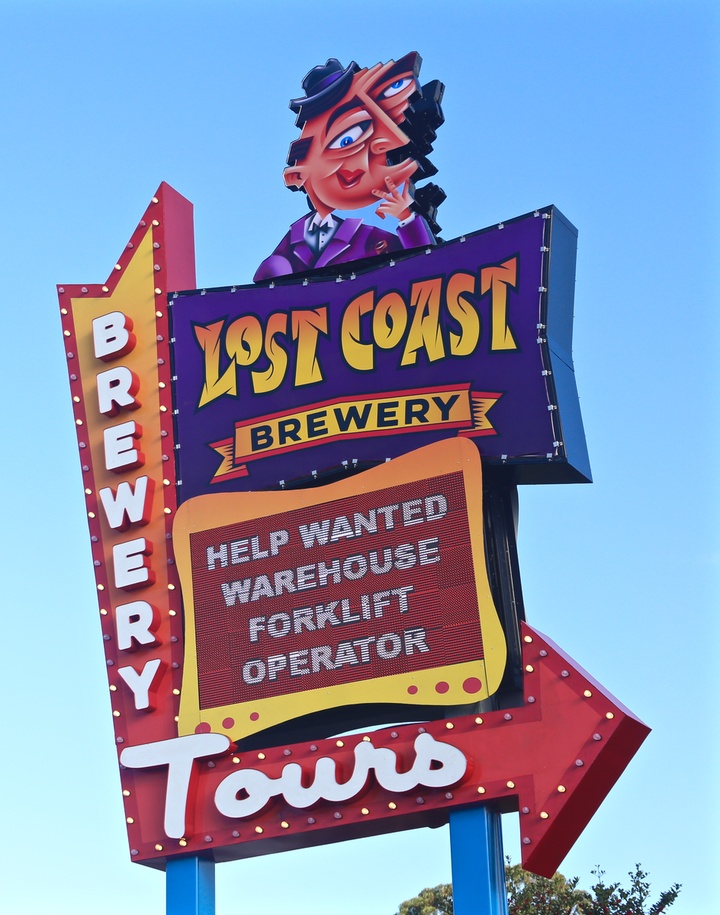
Pretty much since the beginning of our relationship with my spouse, craft beer has been part of our tourism experience. One of our first memorable experiences was a brewery tour of San Francisco's Anchor Brewing, one of the originators of the modern craft beer movement. A subsequent visit into Oregon was equally as memorable as we dropped by Deschutes Brewing in Bend. Not only were we greeted by the smell of freshly harvested hops (courtesy of a day-of-visit shipment), but also had the opportunity to sample the
not-released-for-general distribution Black Butte XXII.
"Beer Tourism" is a Thing Now
These trips were long before the term "craft beer tourism" came into vogue. All-encompassing beer tourism economic stats are a little hard to come by, but hints of the economic impact that craft beer has had can be found in many places. For example, a 2015 report released by the
Vermont Brewers Association estimated that craft beer contributed over $50 million dollars to the total tourism take for the state in 2014.
Even closer to home, a study released by
Experience Grand Rapids in Michigan estimated an over $12 million dollar impact from 42,000 beer tourists. Most recently, the travel booking site
Travelocity, in partnership with the Brewers Association, released a
Beer Tourism Index, which not only uncovered some impressive statistics related to craft beer in the United States, but also revealed their poll results on the Top 6 Large and Small Metro Areas for craft beer in the country.
One tool that cities and regions have used to promote their areas has been the ale trail or beer trail concept, where incentives are offered to folks who visit a certain number of breweries. When individuals involved with the Columbus beer scene adapted the concept in 2015 to promote the area's booming industry, they expected a fairly modest response from the public.